本文目录
- "Best" is usually measured on the wrong thing
- The only test that matters: chapter ten
- Five questions to ask before you pay
- 1. Can it hold a premise across sessions?
- 2. Does it know what you have already established?
- 3. Can you change the plan without losing the draft?
- 4. Do you know what the book costs before you start?
- 5. Can you get a file a store accepts?
- Run a two-hour trial before you commit
- Where Claude, ChatGPT and Gemini actually fit
- What the best tool for your second book looks like
- The bottom line
Ask which AI is best for writing a book and you will get answers about sentences. Which model has the better rhythm, which one avoids the telltale phrasing, which one sounds less like a machine. Those comparisons are real, and they are also the least useful thing to decide first.
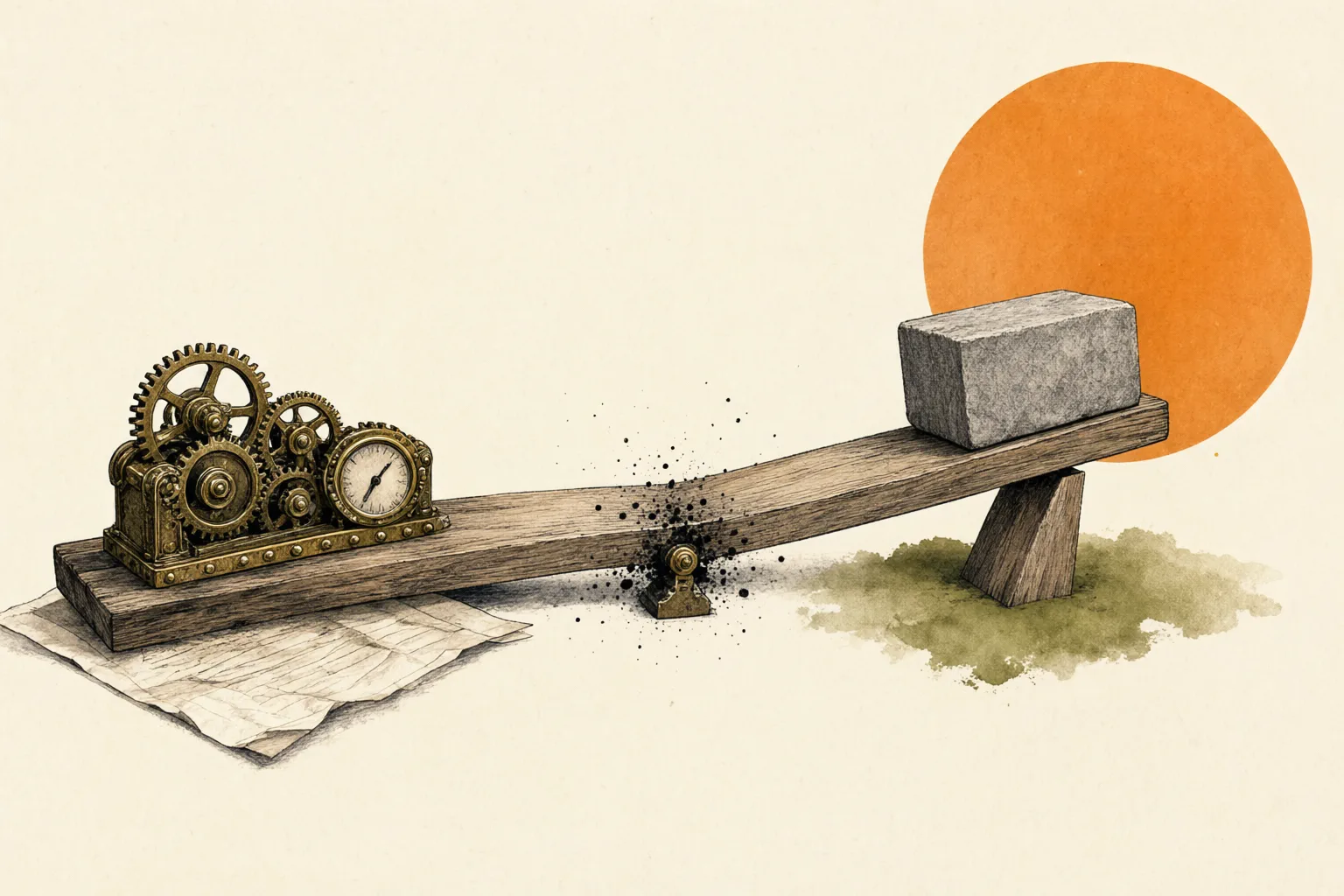
The reason is simple. A book is not one output. It is forty or sixty outputs that have to agree with each other, produced over weeks, by someone who will be a slightly different person by the end. A model that writes a beautiful page but cannot remember what page three established will still fail you at chapter ten.
"Best" is usually measured on the wrong thing
Model comparisons test a single response. Give three models the same opening line and rank the paragraphs. That measures prose quality under ideal conditions: fresh context, no prior chapters, no facts to contradict, no plan to obey.
A book is the opposite of ideal conditions. By chapter ten the manuscript contains a cast, a set of promises, a timeline and a dozen decisions about what the book will not cover. The tool has to carry all of that forward without being reminded, or the writer has to carry it manually and paste it back in every single time.
That is why the question "which AI writes best" produces an answer that does not survive the project. The second question — "which tool keeps the book coherent" — is the one that decides whether you finish.
The only test that matters: chapter ten
Chapter ten is where a book either has a spine or reveals it does not. It is also where a conversation-based workflow starts to hurt.
By that point you have made decisions you cannot reconstruct from memory: the reader's starting skill level, the one method the book teaches, the examples you have already used, the claim you decided to soften. If those live only in a chat history, every new session starts with a summary of a summary.
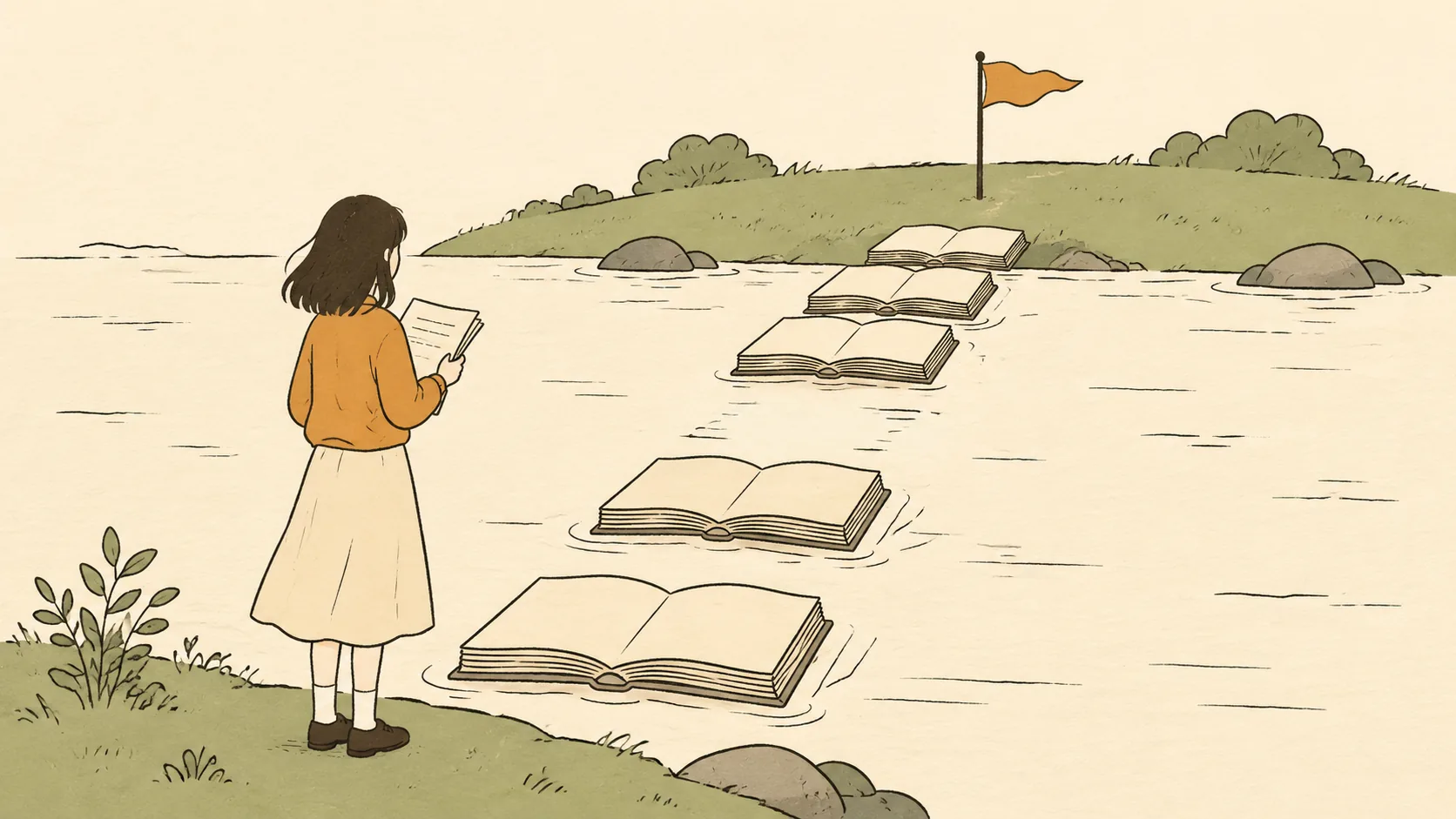
Five questions to ask before you pay
Run these against any tool, including ours. The answers are checkable in an afternoon.
1. Can it hold a premise across sessions?
Close the tab, come back tomorrow, and open chapter four. Does the tool still know what the book is for, who it is for, and what it refuses to do? If the answer is "if you paste the premise again", that is a conversation with a good memory, not a project.
2. Does it know what you have already established?
A book repeats itself in a specific way: it re-explains the same concept in three chapters because each chapter was written in isolation. Look for a place where facts are stored as facts — not prose you have to re-read — and a record of topics already covered. In our editor those are the Facts and Already covered sections of the Global knowledge panel, and they are injected into every chapter prompt.
3. Can you change the plan without losing the draft?
Plans are wrong the first time. The question is what it costs to fix one. If editing a chapter title means starting a new conversation and re-pasting the manuscript, you will live with a bad plan. If the plan is a list of editable units that you can reorder and regenerate, you will fix it.
4. Do you know what the book costs before you start?
Any tool that charges per generation should tell you the cost in units you can count before you commit. A 20,000-word guide is about 17 chapters at 1,200 words each. On our free plan that is three chapters a day; Plus covers roughly 660 chapters a month, which makes a single guide a rounding error rather than a budget decision. If you cannot do that arithmetic for a tool, you cannot forecast the project.
5. Can you get a file a store accepts?
The last mile is where hobby tools stop. Ask what the export actually produces. EPUB 3 is the upload format for KDP, Apple Books and Kobo; DOCX is what print interiors and Draft2Digital want. A markdown dump is useful for a developer and useless for an upload form.
Run a two-hour trial before you commit
Do not test with a toy topic. Take the book you actually intend to write and spend two hours:
- Create the book with the type closest to what you are selling, and read what the type does to the structure. If the tool treats every book as a novel, you have your answer.
- Paste three pages of your own notes into the source material and generate a plan. Read the chapter titles. If they are generic, the plan is the problem, not the model.
- Add five facts to the knowledge panel — a number, a rule, a mistake, a reader detail, a voice rule.
- Draft two chapters. Then change one fact and draft a third. Does the new chapter honour the change, or does it return to the old version?
That last step is the one that separates a real project from a demo. A tool that ignores your facts is generating; a tool that obeys them is writing your book.
Where Claude, ChatGPT and Gemini actually fit
This is not a dismissal. The general models are excellent at the parts of book writing that happen between drafts:
- Interrogating your premise. Ask one of them to argue that your book should not exist. The objections are usually your best chapter.
- Testing whether a chapter makes sense. Paste a chapter and ask what a reader who skipped the previous one would fail to understand.
- Editing for rhythm. They are strong line editors, especially when you give them three rules and two examples from your own writing.
- Research and comparison. Useful for checking a claim, useless for holding your book's state.
What they do not do is keep the manuscript. If you use one, you are the database: you maintain the plan, the facts and the recap, and you paste them back in. That is a legitimate workflow. It is just a job, and it is the job a project tool exists to remove.
What the best tool for your second book looks like
The useful test is not the first book, because novelty carries you through. It is the second one, written six months later when you have forgotten your own system.
A tool you can return to has four properties. The book opens where you left it. The facts are still there and still binding. The plan is legible enough that you can start a new chapter without re-reading the last four. And the export works on a machine that is not yours.
Model quality will keep changing. Those four properties will not, because they are about the book, not the model.
The bottom line
The best AI for writing a book is not the one with the prettiest sentences. It is the one that still knows what your book is about at chapter ten, prices the work in chapters you can count, and hands you a file you can upload. Choose on finishing, and the prose will follow.
Key takeaways
- 1Prose comparisons test one response; a book is dozens of responses that must agree.
- 2Chapter ten is the real test: by then the book either has a spine or reveals it does not.
- 3Ask whether facts and covered topics live in the tool, or only in your memory.
- 4Test with your own book, and change a fact mid-trial to see whether the tool obeys it.
- 5Claude, ChatGPT and Gemini are strong sparring partners and weak databases.
常见问题
Is Claude better than ChatGPT for writing a book?
Both write strong prose and both forget. A conversation holds your premise for a session, not for six weeks of drafting, so the model matters less than where the book state lives.
Can I write a whole book with just ChatGPT?
You can draft it, if you keep the plan and the facts in a separate document and paste them back in every time. That works up to a point. The work you are doing manually is the thing a book project automates.
What should I do when the draft drifts at chapter eight?
Stop drafting and fix the state, not the chapter. Add the missing fact to the facts panel, rewrite the chapter goal in the plan, and regenerate. Patching prose that has drifted produces a chapter that contradicts the rest.
参考资料
- Google Search Central — Creating helpful, reliable, people-first content — 查阅于 2026-11-15
- Microsoft Writing Style Guide — 查阅于 2026-11-15
关于作者

每两周,一封有用的信
关于写作、发布,以及产品上线前后那些不体面的细节。没有热点合集,也没有增长黑客。